
The 2026 Women's Health
Brands Perception Study
The 2026
Women's Health
Brand Perception Study
We studied how women are experiencing health marketing today. The results reveal a clear gap between brand intention and real-world perception.
-
82%
of women notice healthcare marketing -
67%
of women are skeptical of brand claims -
72%
feel marketing is designed for someone else -
52%
say brands are hard to tell apart
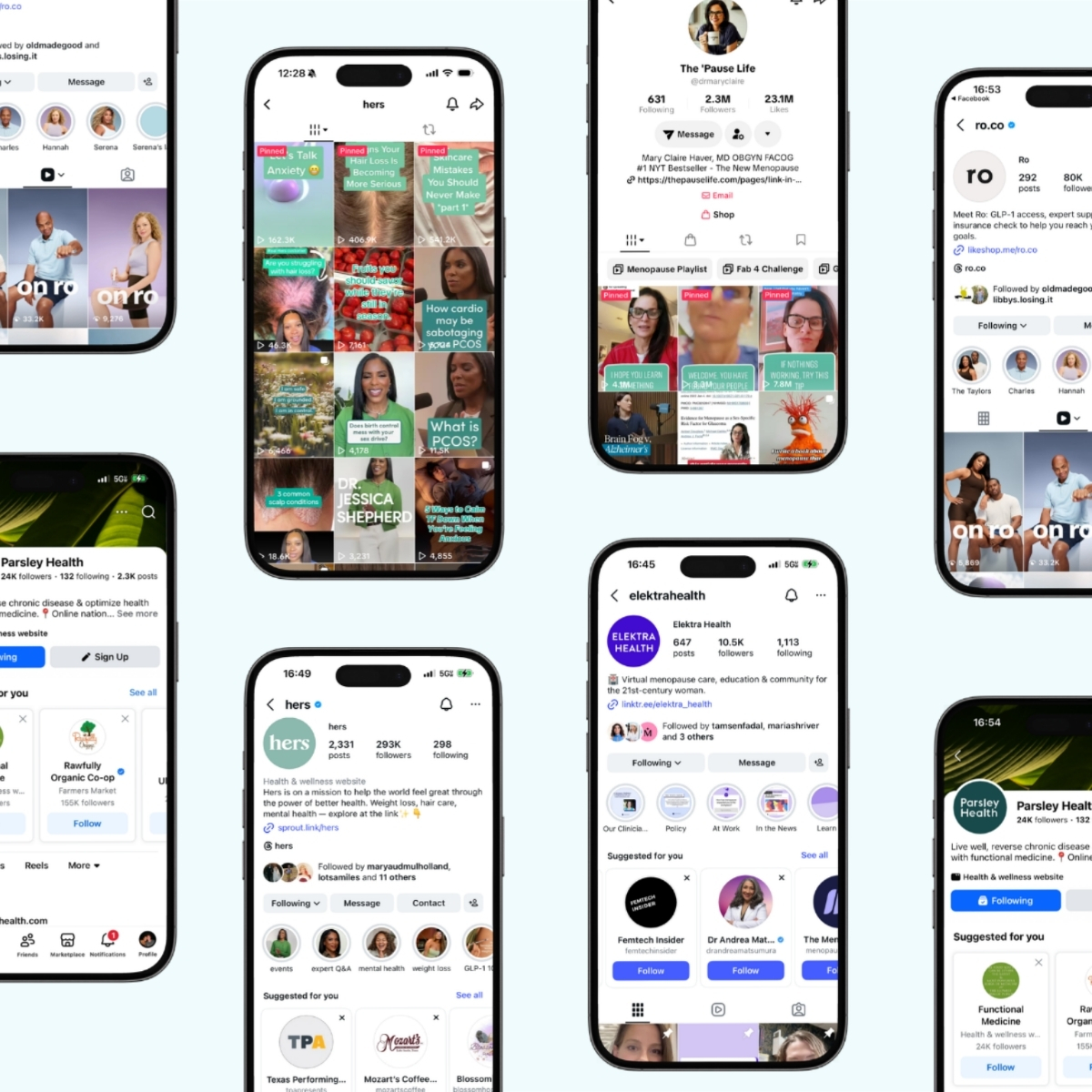
The Women's Health category is already built
Awareness is not the issue. Women are seeing the messaging. The challenge is credibility.
Much of what exists today feels interchangeable, overly polished, or disconnected from real-life experiences. Trust is not given by default in this category. It is earned through clarity, proof, and relevance.
“It all starts to feel the same after a while.
I don’t know what to trust.”
Research Participant Brand Perception Survey 2026
What we studied
This research initiative focused on how women interpret and respond to women’s health marketing in real time. We explored:
- What feels authentic versus opportunistic
- How tone impacts trust and credibility
- Where messaging builds confidence and where it creates skepticism
- How women interpret brand language, visuals, and promises
- What women want brands to understand but often feel is missing

What's not working
Brands Blend Together
Messaging across the category has become difficult to distinguish. Visual styles, tone, and positioning often follow the same patterns, making it harder for women to identify what makes one brand meaningfully different from another.
Trust Is Fragile
Women are paying attention, but many approach messaging with skepticism. When claims feel vague or unsupported, credibility breaks down quickly. Trust is not built through tone alone.
Messaging Feels Misaligned
Much of the communication in this space does not reflect real-life experiences. Instead, it leans toward idealized narratives that can feel disconnected from how women actually navigate their health.
What to do differently
The research makes one thing clear. Women are not disengaged. They are selective.
Messaging works when it is grounded, specific, and built to help, not just persuade.
Be Specific
Clear, detailed messaging builds confidence.
Avoid vague wellness language. Explain what something does, who it is for, and what someone can expect.
Lead With Proof
Trust is built through evidence, not aesthetics. Scientific research, transparent methods, and expert validation all contribute to credibility.
Reflect Real Experiences
Messaging should feel grounded in reality. Show real timelines, real outcomes, and real-life context instead of idealized versions of health.
Be Helpful, Not Just Persuasive
Women are actively researching and evaluating. Messaging that supports decision-making earns more trust than messaging that tries to sell.
Explore the full findings
Download the full report to go deeper into the data, uncover key insights, and understand how women’s health brands can communicate with more clarity, credibility, and real-world relevance.